
Moving to Geelong: Logistics, why here & how to get started
If you've been eyeing off Victoria's second largest city, you're not the only one. Moving to Geelong has become one of the more popular relocation choices for Australians looking to escape Melbourne's housing price tags without giving up city comforts entirely.
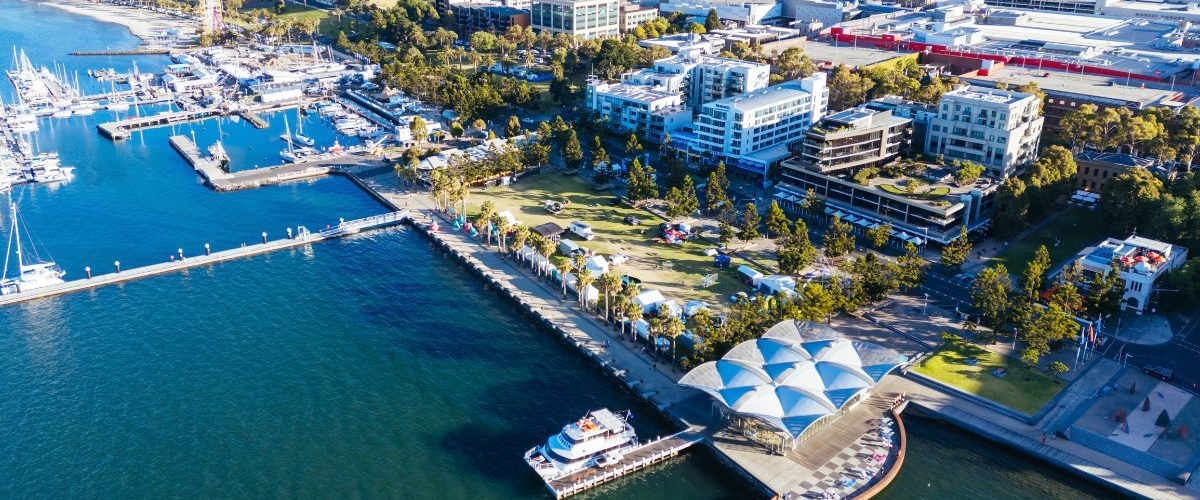
Sitting on the shores of Corio Bay, about 75 kilometres southwest of Melbourne, Geelong has transformed from an industrial port town into a genuinely liveable city with a waterfront, a growing food scene, and a housing market that still feels reasonable by comparison. Whether you're coming from interstate or from a few towns over, there's a fair bit to plan for, particularly contacting your interstate mover at the earliest possible time so that you lock in your preferred moving timeline. Let's break down what the move fully involves.
Why Geelong?
Geelong's appeal isn't hard to understand once you spend a weekend there. The waterfront precinct along Eastern Beach has had a great makeover over the last decade, with cafes, a swimming enclosure, and a carousel that's become a bit of a local icon. Beyond the water, the city has a solid mix of heritage architecture and newer development, which gives it a character that's distinct from the newer outer suburbs of Melbourne.
Culturally, Geelong punches above its weight. The Geelong Arts Centre and the National Wool Museum give the city some cultural infrastructure, and the food and wine scene has been buoyed by its proximity to the Bellarine Peninsula, home to some excellent wineries and seafood. AFL is basically a religion here too, with the Geelong Cats commanding fierce local loyalty. If you're after beach culture, Torquay, Anglesea, Aireys Inlet and Lorne are along the Great Ocean Road and just a short drive away, making weekends look very different from a typical inner-city existence.
There's also a practical drawcard: affordability. While Geelong property prices have crept up as more people cotton on to the city's charms, it's still noticeably cheaper than Melbourne, and you get considerably more space for your money. Add to that a direct train line into Melbourne's CBD (around an hour, give or take), and you've got a city that works well for people who need to commute occasionally but don't want to live in the thick of it every day.
A look at the pros and cons

No move is without trade-offs, and Geelong is no exception.
Pros
- Genuine sense of community that's harder to find in a big city
- More affordable housing
- Beautiful bay and beach access
- Reasonable commute to Melbourne if needed
- Growing job market of its own
Geelong has become something of a hub for renewable energy projects and health services in recent years. It has a revitalised manufacturing sector along with a strong agribusiness sector also.
Cons
- If you're used to Melbourne's density of restaurants, live music, and late-night options, Geelong will feel quieter
- Public transport within the city itself is more limited than in larger cities (having a car is close to essential)
- With the population growing quickly, some infrastructure, particularly in the newer suburbs, is still catching up on demand
The logistics of moving to Geelong
Once you've decided Geelong is the move to make, it’s time to make a plan.
Sort your housing first. The rental and property market in Geelong varies a lot by suburb. Newtown and Geelong West tend to be more established and leafy, while areas like Armstrong Creek and Charlemont are newer growth corridors with more affordable options but less established infrastructure. It pays to spend some time researching suburbs before committing, ideally with an actual visit if you can manage it. Some other suburbs worth a look are Bell Park, Corio, Lara, Grovedale, Avalon, East Geelong and Belmont.
Get a feel for the commute. If work still ties you to Melbourne, look closely at the V/Line timetable and parking situation at Geelong Station before you commit to a suburb. Some areas are a quick drive to the station while others mean a longer trip before you've even boarded a train.
Book your removalist early. If you're relocating from Sydney, Brisbane, or further afield, you'll want to lock in an interstate mover well ahead of your move date, particularly during peak periods like January and the end of the financial year. An interstate mover handling a Geelong move will usually need a bit more lead time than a local job, since they're coordinating transport logistics across state borders, so get quotes at least four to six weeks early if you can. It's worth asking any interstate mover about their insurance coverage and whether they offer backloading options if you don't have enough to fill a whole truck.
Handle the admin. Updating your address with the usual suspects, Medicare, the ATO, your bank and your electoral enrolment, is a job in itself. Victoria's transport authority (VicRoads, now part of the Department of Transport and Planning) will also need updating if you're bringing an interstate licence or vehicle registration across, and there are timeframes attached to that, so don't leave it too long after you land.
Connect your utilities in advance. Electricity, gas, internet, and water providers can usually be arranged to switch on the day you move in, but it's worth locking this in a week or two ahead rather than scrambling on moving day itself.
Planning your move is one of the most crucial steps to take as early as possible. To help with this, the Moving House Checklist can be a really useful tool.
How to get started
If you're serious about moving to Geelong, the sensible first step is a scouting trip. Spend a couple of days there, walk a few different suburbs, and get a feel for commute times if that matters to you. From there, start narrowing down your housing search and get quotes from a couple of removalist companies, particularly if you're coming from interstate, since an interstate mover will need decent notice to schedule your job properly.
Beyond that, it's the usual moving checklist: sort your utilities, update your address details, and if you've got kids, start looking into local schools sooner rather than later, since enrolments can fill up in popular areas.
Geelong isn't going to suit everyone, but for people wanting a slower pace, water views, and a city that's still finding its feet as a destination in its own right, it's a solid choice. Just do your homework on the suburb, lock in your removalist early, and give yourself a bit of grace while you settle into the rhythm of a new city.
Happy Moving!