How to organise boxes for moving: A practical guide from the removalists
If you're wondering how to organise boxes for moving, you're in good company. Almost everyone underestimates how much stuff they own until they start pulling it out of cupboards. The good news is that a bit of planning before the boxes start piling up makes moving day faster, cheaper and a lot less stressful. We've loaded thousands of trucks plus offer packing as one of our services, so here's what we've learned about doing it well.
Start with the right boxes
Before you start packing, make sure you get decent boxes. Flimsy, second-hand supermarket boxes that have been rained on are a false economy. They collapse at the bottom, and you only find out when something heavy goes through the floor and lands on your foot.
Aim for a mix of sizes. Small boxes suit heavy things like books, tinned food and tools. Medium boxes are the all-rounders for kitchenware, shoes and toys. Large boxes should be saved for light, bulky items like pillows, cushions and linen. Buy proper packing tape too, not the thin stuff, a few rolls of packing paper, a roll of bubble wrap and packing peanuts or shredded paper/cardboard.
Pack the box itself properly
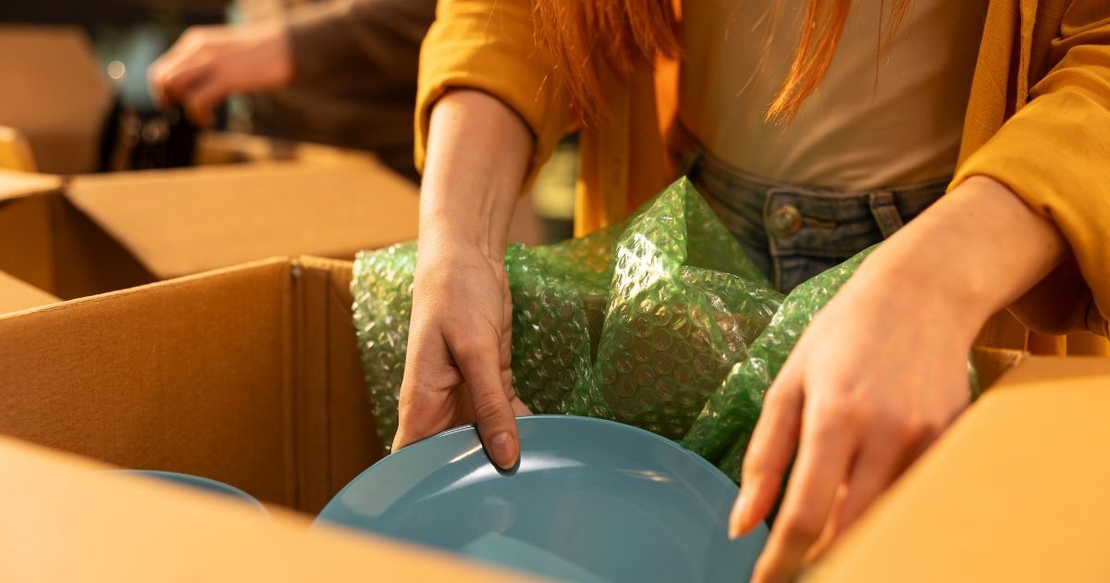
How you pack each box matters just as much as how you organise them all. Here's the approach that keeps contents safe and boxes strong enough to stack.
- Heavy boxes at the bottom, light on top. Put your heaviest items in first, then fill upward with lighter ones. A box with books on top of cushions is a recipe for crushed contents or stack collapse.
- Keep weight sensible. If you can't lift it comfortably, it's too heavy. Around 15 to 20 kilograms is a good ceiling. Mixing heavy and light items in one box helps keep it manageable.
- Fill every gap. Empty space lets things shift and a shift means breakages. Scrunched packing paper, towels or tea towels work well. When you give the box a gentle shake, nothing should move.
- Tape the base properly. Run tape along the centre seam and then across both edges, using an H pattern. Do the same on top. The base is where most box failures happen.
- Pack plates on their edge. It sounds odd, but plates are far stronger standing on their edge like records than they are stacked flat. Wrap each one in paper or bubble wrap and add a cushion layer at the bottom of the box.
- Glasses and delicate items go in the middle. Keep them away from the edges and the top, wrapped individually, with padding all around. Mark the box fragile, but don't rely on that alone. Good packing is what protects them.
- Don't overfill or underfill. A bulging lid means the box can't be stacked safely, and a half-empty one will cave in when something goes on top of it.
How to label boxes so you can actually find things
Labelling is the step people rush, and then regret at the other end when they're hunting for the kettle at 9 pm.
Write the room it belongs in at the new place, not the room it came from. Then add a short description of the contents, such as "Kitchen: pots and pans" or "Bedroom 2: winter clothes". Write on the side of the box, not the top, because tops are hidden once boxes are stacked. Labelling two adjacent sides makes things easier again.
If you like a bit of a system, colour-coded tape or stickers for each room works brilliantly. Stick a matching colour on the door of each room at your new home allows the interstate removalists to place boxes without asking you each time. Mark anything fragile clearly, and put an arrow showing which way is up on boxes that need to stay that way.
Finally, make an "open first" box for each key area. Think kettle, toilet paper, phone chargers, basic tools, a change of clothes and some snacks. You'll be very glad of it on the first night in your new place.
How to organise boxes ready for the removalists
This is where a little prep earns you real gains on the day. Interstate removalists work fastest when everything is accessible, grouped and ready to go.
- Group boxes by room. Stack them in the garage or in the room they come from, with labels facing outwards. It makes it easy for the crew to see what's what.
- Keep walkways clear. Leave a clear path from each room to the front door. Boxes stacked in hallways slow everyone down and can be a trip hazard.
- Using a centralised area like the garage or lounge room for the packed boxes will make your move much quicker and easier saving you time and money.
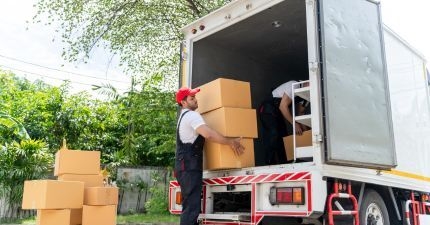
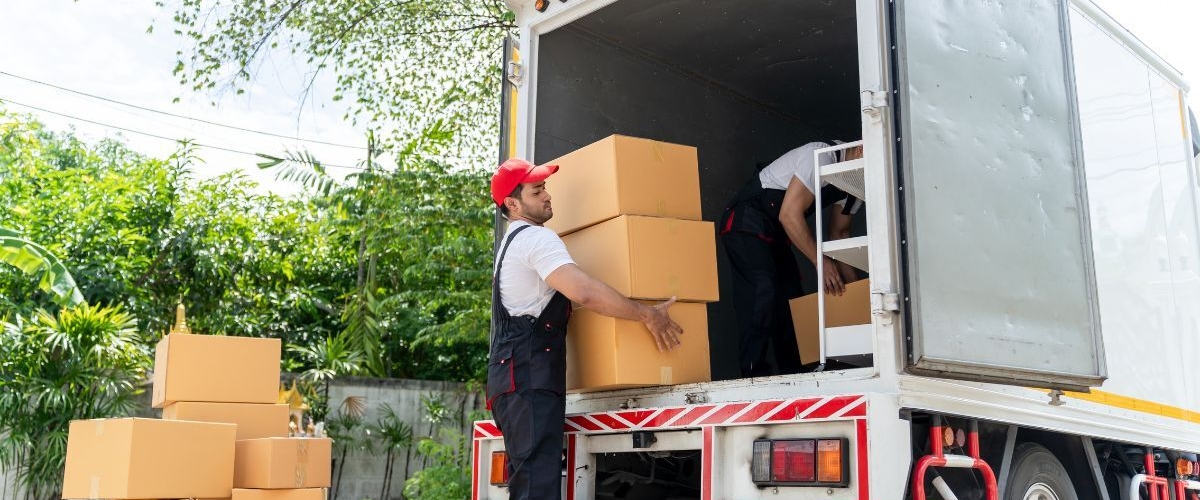
- Have the heavy and bulky items ready first. Furniture, whitegoods and big items usually go onto the truck first, forming a solid base. Boxes of lighter, more delicate items are loaded later and packed on top or against the walls.
- Set aside the last-to-load and first-to-unload boxes. Anything you'll need immediately on arrival, like your essentials box and bedding, should be loaded last so it comes off first. Tell the crew, or mark these boxes clearly.
- Keep valuables and documents with you. Passports, jewellery, laptops, medications and important paperwork should travel in the car with you, not on the truck.
- Finish packing before the crew arrives. Half-packed cupboards and loose items cost time. If you're booking interstate removals, this matters even more, because the load will be on the road for longer and everything needs to be properly secured. Sturdy, well-sealed boxes are what get through a long trip in good shape.
Moving yourself? How to pack a trailer or rented truck
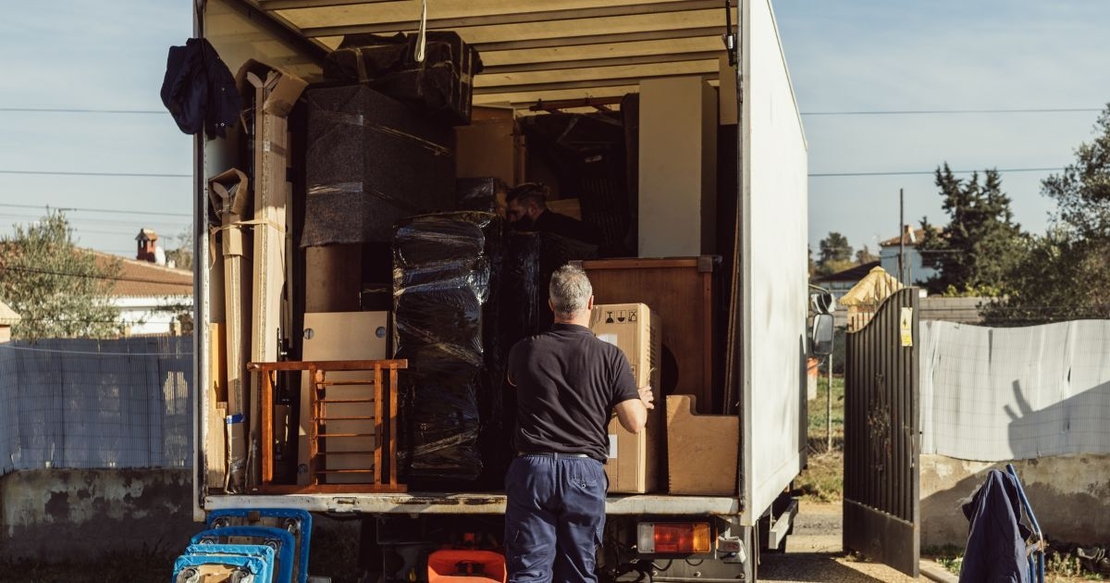
If you're doing the move on your own, the same principles apply, but you're also the one responsible for how the load sits. A well-packed truck is safer and keeps your belongings intact.
Load the heavy items first. Place whitegoods, furniture and your heaviest boxes against the wall behind the cab, or over the axle in a trailer. This keeps the weight balanced and the vehicle stable on the road.
Build solid layers. Stack boxes of similar size together and aim for flat, even tiers rather than a jumble. Heavy boxes go on the bottom, lighter ones on top. Avoid creating tall, narrow towers that can topple.
Leave no gaps. Fill spaces with soft items like pillows, cushions or rolled-up blankets so nothing slides around when you brake or take a corner.
Respect the extra weight of your load while driving. Drive more cautiously as sharp cornering and abrupt stopping can cause damage to your possessions and possible loss of control.
Secure everything. Use ratchet straps or load-restraint ropes across each layer, and make sure nothing can shift. Furniture blankets or old sheets protect surfaces from scratches.
Keep the essentials accessible. Put your open-first boxes and anything you'll need on arrival near the door so you're not unloading the whole truck to find the kettle.
Respect the limits. Don't exceed the weight limit of your vehicle or trailer, and check your rental terms. If you're planning interstate removals on your own, think carefully about distance and fatigue. For longer trips, a professional team can take the strain, and some people choose a hybrid option where the interstate removalists handle the large items while they transport the rest.
A final word from the crew
Learning how to organise boxes for moving doesn't need to be complicated. Use good boxes, pack heavy things low, fill the gaps, label clearly and get everything grouped and ready before moving day. Do that, and you'll save time, avoid breakages and start the next chapter in a much more relaxed frame of mind.
If you'd rather leave the heavy lifting to us, get in touch for a quote. Whether it's a local move or interstate removals, we're happy to help.
Happy Moving!