Moving to Hervey Bay: What to know & plan For
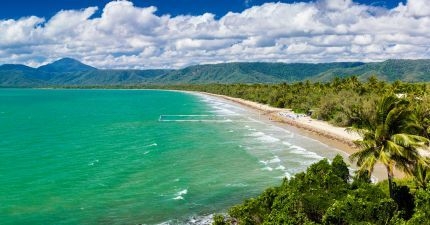
If you've been quietly researching moving to Hervey Bay, you're not alone. This Fraser Coast city has become one of Queensland's most talked-about relocation destinations, and not just for the obvious reasons. Yes, the bay is beautiful. Yes, the pace is slower. But there's a lot more going on beneath the surface, and if you're trying to figure out whether it's actually a good fit for your life, this is the guide you need.
Let's get into the real picture.
Is Hervey Bay just for retirees?
This is probably the most common question people have, and it's worth addressing up front. Hervey Bay does have an older-than-average population. The median age sits around 51, noticeably above the national average of 38, and nearly one in three residents on the Fraser Coast is classified as a senior. So yes, retirees have historically been drawn here, and there's a thriving over-50s community to show for it.
But that's not the whole story. Hervey Bay has been growing steadily, and the people arriving now are a much more mixed group. Families are coming for the space and affordability. Remote workers are coming because they can, and Hervey Bay offers a quality of life that's hard to justify staying away from. Young couples are buying here because it's one of the few coastal Queensland cities where getting into the property market is still realistic. The city is evolving, and while it will always attract retirees (and fairly, it's a great place to retire), it's becoming more diverse with each passing year.
The housing market

Hervey Bay's property market has been one of the stronger performers in regional Queensland. As of early 2026, the median house price sits at around $840,000, with units at approximately $602,500. That represents annual growth of around 13.5% for houses and 15.9% for units over the past year, which is significant.
Those numbers might surprise people who still think of Hervey Bay as a budget option. It's become less of one in recent years, but compared to the Sunshine Coast and Gold Coast, it still offers considerably better value for coastal living. And for anyone coming from a capital city, the difference can be substantial.
If you're looking to rent rather than buy, the market is tight. The vacancy rate is sitting at around 1.6%, and the median weekly house rent is approximately $650. Demand has outpaced supply for some time, so if renting is the plan, it's worth starting your search well before any intended move date.
The main suburbs worth investigating are:
- Point Vernon, Torquay and Urangan (closest to the water and the esplanade, popular with lifestyle buyers)
- Pialba (the commercial centre, convenient for everything)
- Scarness (relaxed and walkable)
- Eli Waters and Kawungan (popular with families, closer to schools and the hospital)
- Dundowran Beach
Craignish is a semi-rural suburb to the north of the bay with amazing sea views and larger-than-average blocks. River Heads is another semi-rural area with really great views of the bay, K’gari ( Fraser Island) and the Mary River mouth. Whether buying or renting, it makes perfect sense to rely on an industry-experienced mover interstate to make the most efficient use of your resources, which you will need for re-establishing your family in this exciting part of Queensland.
Cost of living day to day
Beyond housing, day-to-day living in Hervey Bay is generally more affordable than in southeast Queensland's major centres. Groceries, dining out, and local services cost less than they do in Brisbane or on the Sunshine Coast. You won't find the range of high-end dining you'd get in a capital city, but the local food scene is solid and improving, particularly for seafood.
The main shopping hub is Stockland at Urraween, Hervey Bay, which has the major supermarkets and most of the retailers you'd expect. There's also a growing strip of cafes and restaurants along the esplanade in Torquay and around the Urangan marina precinct. For specialist goods or more specific retail, some people do make the occasional trip to the Sunshine Coast or Brisbane, which is only a 3.5 hour journey depending on traffic at the Brisbane end, but it's not something most residents find themselves doing regularly.
It's also worth noting that Hervey Bay is a car-dependent city. There's public transport, but it's limited, so factor in the cost of running a vehicle if you're doing your budget calculations.
The weather
Hervey Bay has a humid subtropical climate, which means warm weather for most of the year and a distinct wet and dry season. Summers (December to March) are relatively hot and humid, with average highs around 29 to 30 degrees and the bulk of the year's rainfall. February is typically the wettest month. If you're not used to subtropical summers, the combination of heat and humidity can take some minor adjustment.
Winters are genuinely mild and are one of Hervey Bay's biggest drawcards for people relocating from cooler parts of the country. July is the coldest month, with average temperatures around 17 to 22 degrees during the day. It rarely drops below 10 degrees at night. For anyone who's spent winters in Melbourne or Sydney, it's a very pleasant revelation.
Spring, from September through November, is considered the sweet spot: warm, dry, and comfortable. It also lines up with the end of whale watching season, so there's a lot going on.
Total annual rainfall is around 870 to 900 millimetres, but reached 1100 mm in 2025. Average years are actually lower than many people expect, and much of it is concentrated in those summer months.
Things to do
This is where Hervey Bay surprises a lot of people who assumed it would be quiet. There's more going on than the city's size would suggest.
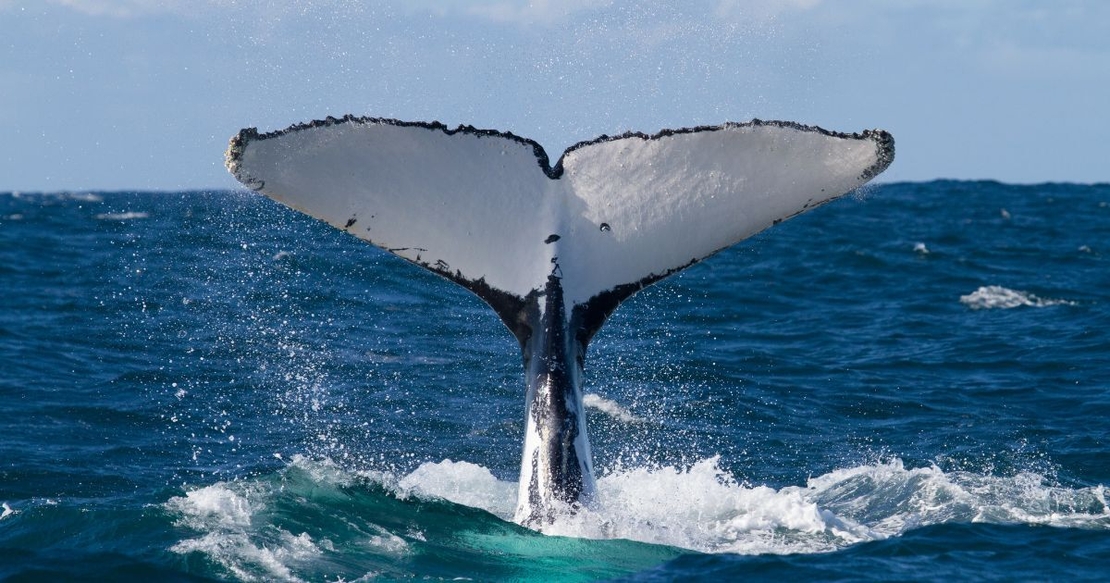
The obvious one is whale watching. Humpback whales rest in Hervey Bay's calm, sheltered waters between July and November each year, and the bay is internationally recognised as one of the best places in the world to see them up close. If you live there, this isn't a once-in-a-lifetime thing. It's something you can do every season. There is a thrilling air of excitement and expectation during whale watching season in the Bay.
Then there's K'gari (Fraser Island), a UNESCO World Heritage-listed sand island that's a 45-minute ferry ride from the marina. It's one of those places that sounds impressive until you actually go, and then it genuinely is. Residents tend to visit multiple times and still find new parts to explore.
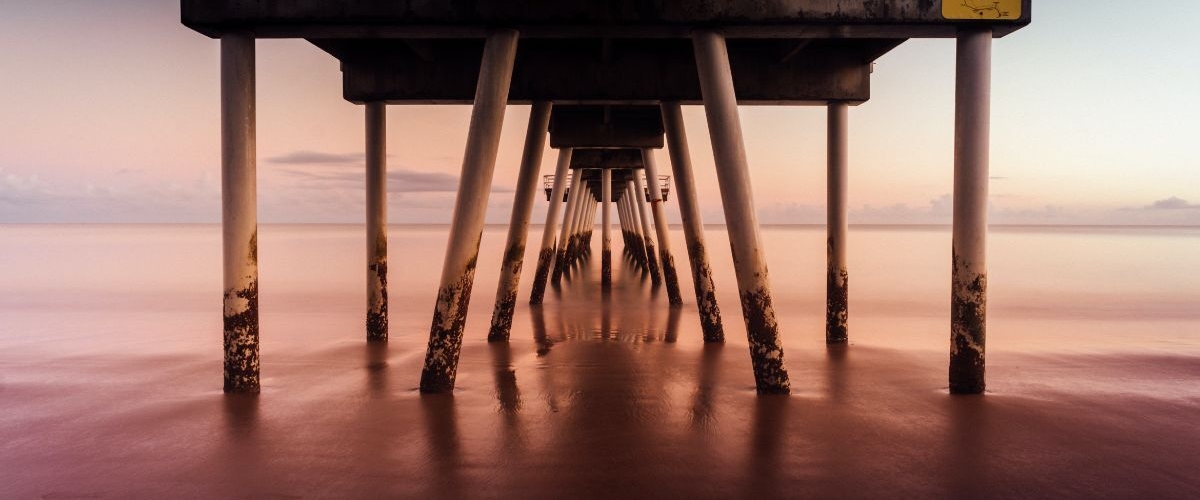
Beyond the big drawcards, everyday life offers a solid mix of outdoor activity. There are 17 kilometres of esplanade for walking and cycling, the Urangan Pier is popular for fishing and views, and there are parks, botanic gardens, and water sports throughout the area. The Great Sandy Strait is excellent for kayaking and boating. Wetside Water Park is a favourite with families, especially for watching Dad and the kids get really doused in water.
The cultural side of things is more modest but genuine. The Fraser Coast Cultural Centre houses a regional gallery and museum. There are markets, community events, and a live music and a dining scene that's grown considerably over the past few years. It's not going to replace Brisbane for entertainment options, and it doesn't try to but it is rich in exciting diversity.
Healthcare and education
Hervey Bay has a public hospital and an adjacent private hospital (St Stephen's), in addition to Hervey Bay Surgical Hospital, which together form part of a growing medical precinct that includes allied health services, a cancer care centre, day surgeries, and specialist clinics. For general healthcare needs, the city is well serviced. For very complex or specialist treatment, some people do travel to Brisbane, but this is the case for most regional centres.
Schooling options are reasonable for a city this size. There are multiple state primary and high schools, along with Catholic and independent school options. TAFE Queensland also has a campus in the area. Additionally, the University of the Sunshine Coast and the Queensland University are represented with campuses at Hervey Bay. For families with school-aged children, it's worth researching specific schools and their catchment areas early, as the more popular ones do fill up.
What actually makes it a good place to live
The honest answer is that it comes down to what you value. Hervey Bay rewards people who want a slower pace, outdoor access, genuine community, and more space for less money than a capital city would give them. It's not the right fit for people who need a big-city career ecosystem, extensive nightlife, or a dense cultural events calendar.
What it does exceptionally well is quality of life in the simpler sense. People know their neighbours. The beach is accessible. The commute, if you have one, is short. The outdoors is always within easy reach, and the climate means you can actually use it for most of the year.
There's also something to be said for living near the ocean without paying Gold Coast prices. The esplanade on a weeknight, the marina at the weekend, the quiet of the bay in winter, all wrapped up in a glorious setting overlooking the beautiful K’Gari! It's the kind of thing that sounds ordinary until you've lived it for a year.
Thinking about making the move?
If you're at the research stage and Hervey Bay is looking like a genuine option, the next step is usually a visit if you haven't done one already. Spend a few days, explore the different suburbs, eat at a few places along the esplanade, and get a feel for whether the pace suits you. Most people who end up moving to the Bay had a trip there that tipped them over the line.
When you're ready to make it official, our team helps people relocate to and from Hervey Bay regularly, as a local Queensland mover interstate and within the state. We know the route, we know the area, and we'll make sure your belongings get there without the stress. Get in touch when you're ready to talk logistics.
Happy Moving!