Small town vs big city pros & cons
So, you're thinking about making a move. Whether it's a local relocation or one of those bigger interstate journeys, one of the biggest decisions you'll face is this: do you want the hustle and bustle of city life or the quieter rhythms of a small town?
The small town vs big city pros and cons debate isn't a new one, but it's personal, and it matters. Your answer depends entirely on what makes you happy and what best suits your family and lifestyle.
Let's be honest, there's no one-size-fits-all answer here. What sounds like paradise to your best mate might sound like a nightmare to you. But by looking at the real differences between big city and small town living, you can figure out what actually works for your lifestyle, your budget, and your family.
Small town vs big city: The cost factor
Right, let's tackle the money side of things first because it's usually one of the biggest factors in any move.
The small town advantage is pretty clear when it comes to the cost of housing. You'll get a larger and more comfortable house for your dollar in rural or regional Australia and on a larger lot also. That four-bedroom with a backyard that costs $1.2 million in Sydney might run you $500,000 in a country town and on an acreage too. It's a genuine game-changer, especially if you're saving for a deposit or want to pay off your mortgage before retirement.
But here's where it gets interesting. While housing costs are lower, you might find that the cost of living can surprise you. Groceries sometimes cost more, though not always, because goods have to travel further. However, often regional towns have much cheaper locally grown fruit and veggies than cities. Your electricity bill might be higher if you're heating or cooling a bigger house on acreage. And if you need specialist medical appointments or have to travel to the nearest big city for services, those travel costs add up.
Big cities, meanwhile, come with higher housing costs across the board, but the trade-off is that most day-to-day goods and services may be cheaper due to competition. You'll find more bargains on some processed grocery items, services or entertainment. Rent is painful, but it can be easier to negotiate, though rural rental properties can be more plentiful. And if you're doing interstate removals Australia to the city for work, the salary bump often offsets the cost of housing.
Work, career, and opportunity
If you've got a specific career path, location does matter.
Big cities are where the jobs are. If you're in tech, finance, media, law, or any specialised field, the capital cities have exponentially more opportunities. More companies mean more roles, more competition for your skills (which usually means better pay), and more chances to move up. If you're ambitious about your career, a city move often makes sense. Plus, the networking opportunities are genuine. You can build professional connections that wouldn't exist in a small town.
Small towns, though, aren't jobless wastelands. If you're in trades, agriculture, small business, or remote work, you might actually prefer it. Remote working has changed the game completely. You can now earn city wages while enjoying country living, and that at a lower cost of housing. For tradespeople and farmers, small towns offer stable, much-needed work opportunities. And if you're thinking of starting a business, you might face less competition and have a genuine niche from which you can serve a rural community.
The real question: is your career portable, or does it require a major city?
Community, friendliness, and building connections
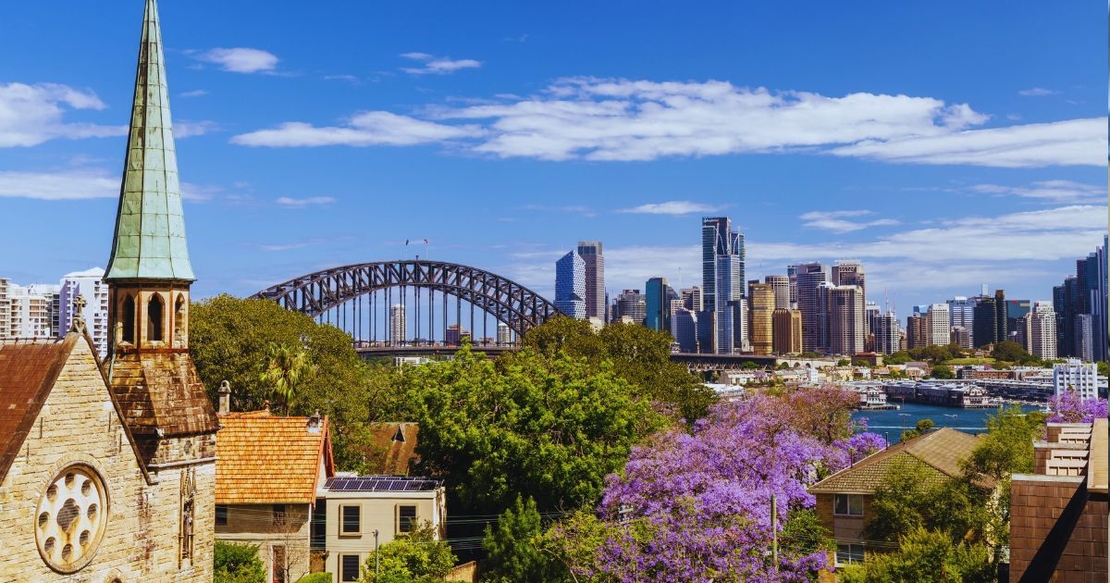
This is where things get really interesting because it goes beyond the practical and into how you actually feel day-to-day.
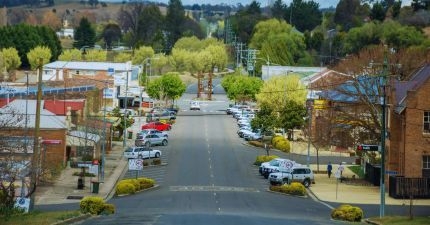
Small town living offers something increasingly rare: genuine community. You'll know your neighbours. People hold doors open and actually mean it when they ask how you are. If you have kids, their friends' parents become your friends. There's a slower pace that naturally builds relationships. The friendliness you'll find in many small Australian towns is real, genuine and substantial.
Consider your personality, however. If you're introverted or prefer your own privacy, a small town can feel suffocating. Everyone knows your business. And if the town's culture doesn't match yours, it can be isolating.
Big cities are more anonymous. You can disappear into the crowd. There's less pressure to participate in community events if you don't want to. But building genuine friendships takes more effort. You'll have to actively join clubs, groups, or communities to find your people. That said, because cities are bigger, you're more likely to find people who share your specific interests, values, or background.
Lifestyle, entertainment, and things to do
What do you do on a Saturday night?
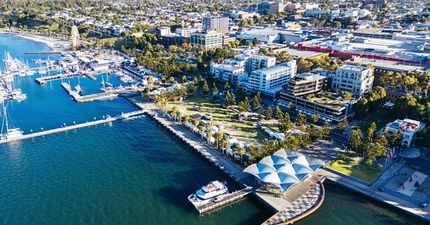
In a big city, the options are endless. Live music venues, restaurants from every cuisine imaginable, galleries, theatres, late-night shopping, sports events, festivals. Nightlife is vibrant. If you're someone who loves trying new experiences, the city offers constant stimulation.
Small towns usually have their moments: the local footy club, community events, perhaps a pub with live music, visiting shows, rodeos, sports carnivals and lots more. But the range of entertainment options is only limited by your own imagination. You might find yourself driving to the nearest city centre for a different night out, which can defeat the purpose.
On the flip side, small-town living forces you to be creative and present. You'll spend more time outdoors, with friends and family, or pursuing hobbies or stimulating exercise. You're not passively consuming entertainment; you're creating and engaging in it. Some people find this far more satisfying.
Nature, peace, and tranquillity
This is where small towns genuinely shine.
Want to step out your back door and see open paddocks? Want to hear birds instead of traffic? Want genuinely dark night skies where you can actually see stars? A small town delivers all of that. The natural advantage is very real. You get space, quiet, and a slower pace. Your stress levels often drop noticeably.
Big cities have parks, sure, and many are genuinely beautiful, but invariably you have to face endless traffic to get there in addition to the numbers there when you arrive. But they're not the same as waking up to rural tranquillity. If nature and peace are your priority, a small town is almost always going to win. It doesn’t matter which regional or city area you might be considering; a quality interstate removals Australia service can get you and your possessions there without you having to lift a finger if that’s what you want. Watching all your heavy stuff walk out of your house by experienced movers is a great relief to your back and your stress levels.
Schools, healthcare, and specialist care

This is a big one for families and becomes even more important as you age.
Healthcare in small towns can be tricky. You might have a local GP, which is great for routine visits. But for specialist appointments or serious health issues, you're driving to the city centre. If someone in your family has a chronic condition requiring regular specialist care, this becomes genuinely inconvenient and expensive in travel costs.
Schools in small towns often have that community feel, smaller class sizes, and a reputation for producing well-rounded, values-based kids. But they might not have the same range of subjects, sports, or specialisation available in city schools. If your kid is passionate about something specific, city schools can sometimes offer more.
Big cities have hospitals, specialists, and healthcare options on every corner. If health is a concern, you want to be where the most infrastructure is. Same with schools: city schools sometimes have more resources, specialist programs, and options. But class sizes are bigger, and the competition can feel intense. Additionally, city kids can get caught up in situations that you would prefer your kids could avoid.
Shopping, traffic, and getting around
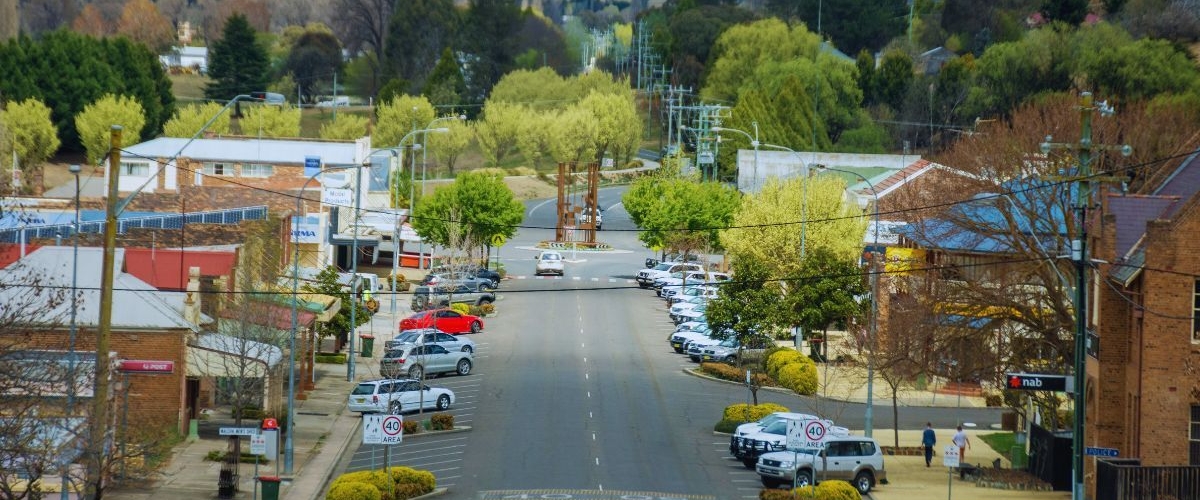
Small towns mean you can park easily, pop into the shops in five minutes, and know the shopkeepers. There's no traffic. You can actually walk to some places or have a quick drive.
But you're limited to what's available locally. If you want something specific, you're ordering online or driving to the city. The range of shops, choice, and competition is lower.
Big cities have every shop imaginable. Competition drives prices down. You can get basically anything. But you'll spend time in traffic. Parking is expensive and frustrating. Public transport helps, but it's not always convenient. Hassle is the name of the game.
The ease of getting around depends on what you value: is it the convenience of choice, or the convenience of time?
Crime and safety
Small towns generally have lower crime rates. You can walk around at night feeling safer. There are fewer break-ins, less street crime, and a general sense of safety. People still lock their doors, but the anxiety level is lower.
Big cities have higher crime rates (though it varies by suburb). You do need to be more careful, especially at night. But cities also have better police presence and more lighting, CCTV, and safety infrastructure.
Statistically, you're safer in a small town. But many city suburbs are very safe too. It depends on which specific area you're considering.
So, where should you move to?
Here's the thing: there's no objectively "right" answer. It depends on you. Ask yourself these questions:
- What does your career need?
- Do you have young kids or are you thinking about having some?
- Is the cost of housing your greatest concern?
- Do you value nightlife and entertainment, or peace and quiet?
- How important is being a part of the community to you?
- Are there serious health or healthcare needs in your family?
- Do you like anonymity or do you want to know and be known by your neighbours?
If you're considering a move, especially if it's an interstate removals situation, you might want to visit and spend some time there first. Stay for a week if you can. Get a feel for it. Talk to locals. Drive around during rush hour. Go out on a Saturday night. See what the cost of living actually looks like.
Both small towns and big cities have real advantages and real drawbacks. There's nothing wrong with choosing either. What matters is choosing what actually suits your family and lifestyle, not what you think you should want.
And if you do decide to make the move, whether that's down the street or across the country for interstate removals Australia, we're here to help make it smooth. Moving is the easy part. Making the right choice about where to move is the important bit.
The small town vs big city decision is deeply personal. Take your time with it. Your home should feel like home, and there's no prize for making the wrong choice just so you can look adventurous.
Happy Moving!